- blue amber, Blue Dominican Amber, Dominican amber, Dominican Republic, History, Kiskeya Life, natural amber
The Great Amber Alchemy: How Prehistoric Tree Resin and Fake Crypto Fleeced $140 Million from the Gullible
Based on Alec Corday’s video La ESTAFA mas grande que NO CONOCES! ¡USARON ÁMBAR DOMINICANO PARA ROBAR MILLONES! Every grand financial swindle requires a compelling origin myth—preferably one that blends exotic geography, cutting-edge technology, and the irresistible promise of effortless wealth. A decade ago, a masterclass in economic theater managed to fuse prehistoric Dominican tree resin with digital financial magic, orchestrating a scam so preposterously engineered that it left a trail of bankrupt dreamers, disgraced politicians, and a ghost in a federal inmate database. Long before crypto peddlers mapped out their Caribbean tax havens, Dominican amber already occupied a distinct tier in the global luxury trade. It is arguably the…
You May Also Like
The Real Reason You’ve Barely Heard of Dominican Amber
- Amber fossil, Baltic Amber, blue amber, Blue Dominican Amber, Dominican amber, History, natural amber
The Real Reason You’ve Barely Heard of Dominican Amber
If you ask anyone to picture amber, they’re going to think of the Baltic Sea. They’ll picture warm, honey-colored beads, jewelry in European antique shops, or chunks washing up on stormy northern beaches. For centuries, the Baltic region has basically owned the…
-
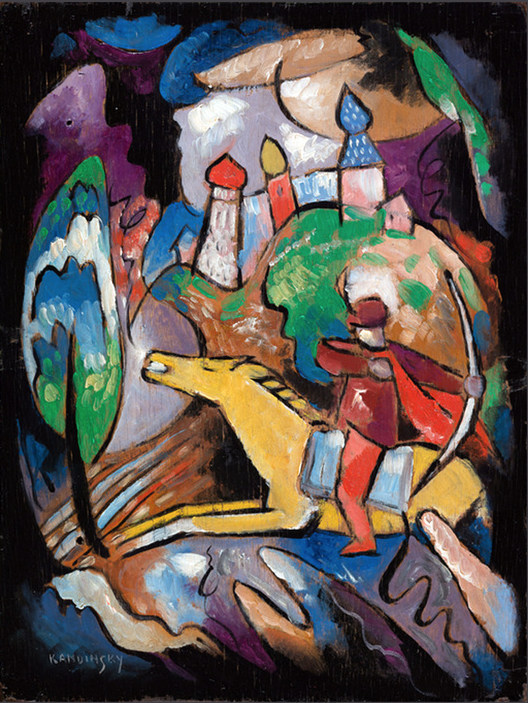
The Rider, 1909 – WASSILY KANDINSKY (1866–1944)
WASSILY KANDINSKY (1866–1944) The Rider, 1909Oil on wood26.0 × 19.8 cmSigned: Yes History This work dates from an early period in Kandinsky’s development, when he was moving toward a more expressive use of color and form. The rider motif reflects themes of movement and spirituality, anticipating his later move toward abstraction. Location Vienna, Austria Provenance Documentation CONFIDENTIALITY NOTICE This document is intended solely for the named recipient. Reproduction or distribution without prior written consent is strictly prohibited.
-
War Hits Iran’s Art World Hard
War between Iran, US, and Israel started late February 2026. Bombs hit Iran’s heritage sites first. Then shockwaves hit art markets worldwide. As AmbarAzul, LLC consultant, I track this daily. Let’s see how it spreads fast. Heritage Sites First to Fall Airstrikes damage over 100 Iranian sites. Golestan Palace cracks bad. UNESCO lists it as key heritage. Shockwaves shatter tiles there. Sa’adabad Palace faces same fate. Museums scramble to save art. Isfahan’s Naqsh-e Jahan trembles too. Teams wrap fragile pieces now. They move items to bunkers fast. Private collections hide in villas. No one knows if they survive. War hits culture first always. Art Dubai Delays Big Show Art Dubai…
-
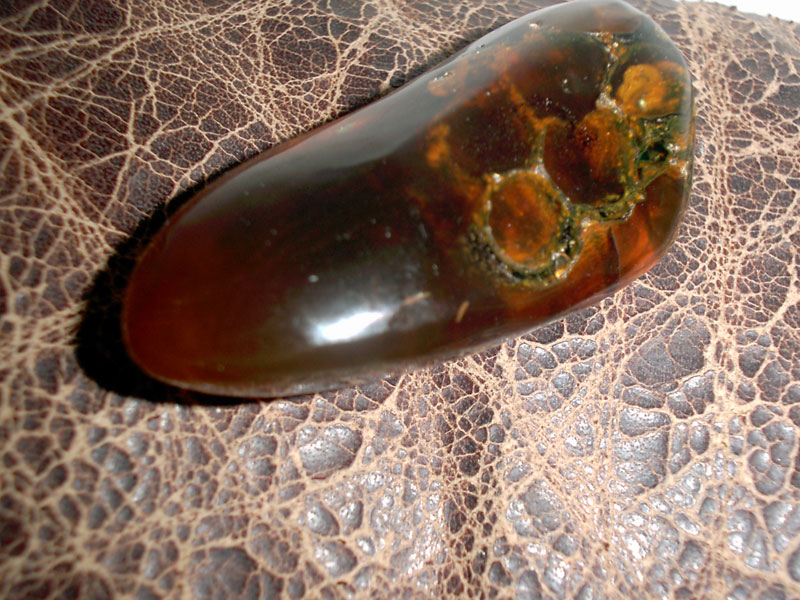
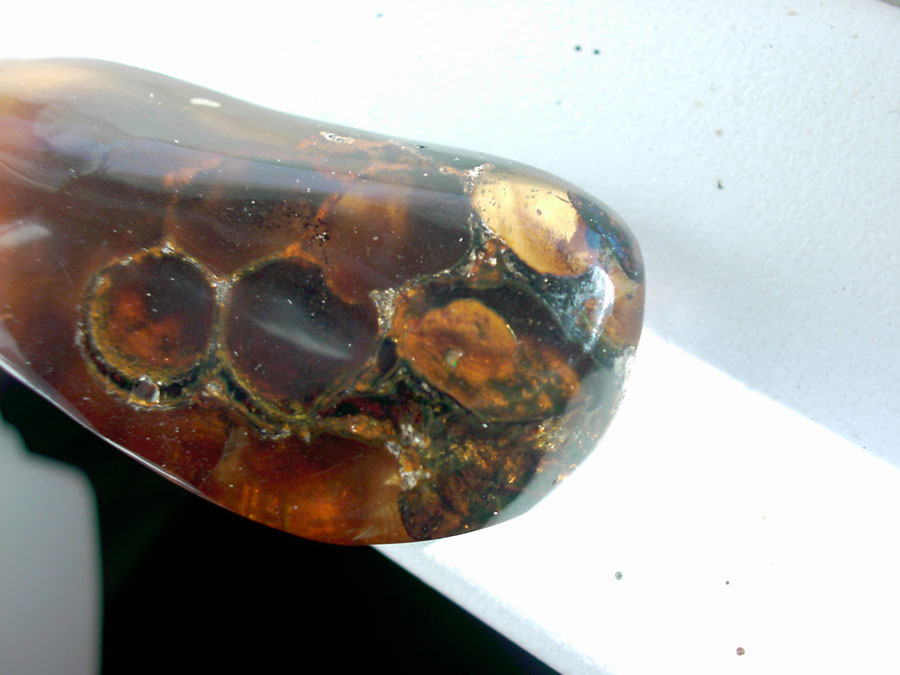
Why is the beehive fossil no wasp nest?
Exposition why the fossil is a honeycomb fossil being a stingless bee (Meliponini) nest rather than a wasp nest. Here’s Chat GPT's assessment of the strengths and potential weaknesses of the argument
-
Honeycomb fossil in Dominican Amber: a unique discovery
The honeycomb-like structure in Dominican amber is a subject of debate among researchers. While some argue it could have been constructed by social wasps, the prevailing consensus suggests it was likely made by a stingless bee species from the genus Melipona (Apidae: Meliponini). Key details about the specimen: Significance: This fossil nest provides rare insights into the behavior of ancient bees, particularly their social nesting habits. If confirmed as Melipona, it would reinforce the evolutionary longevity of advanced eusocial traits in stingless bees. The debate underscores the importance of verifying amber provenance and using precise morphological analysis to distinguish between bees and wasps in fossils. For further study, examining the…
-
Bee Hive in Amber
Nothing similar has ever been found before. Without a doubt, this is a rare fossil of hexagonal cells and an interesting object of scientific study, especially for a museum or other specialized institution. The hexagonal enclosures in this piece of amber are one of the rarest finds. Bee hive or wasp nest? Some scientists have a hard time to accept that it is possible to find part of a bee hive in amber. But the fossil structure does not match known wasp nest properties. Please examine the details below and judge for yourself. Wasps make their nests out of the paper they produce. Bees make the hive out of wax.…